
Land clearing in Montana typically costs between $500 and $5,000 per acre for many projects, although heavily wooded properties, difficult terrain, and extensive stump removal can push costs above $6,000 per acre. The final price depends on vegetation density, tree size, accessibility, equipment requirements, and how much preparation the land needs.
For Montana property owners, clearing land is often the first step toward building a home, installing a driveway, creating usable outdoor space, or reducing wildfire hazards. However, removing a few trees from a relatively flat lot is very different from clearing several acres of dense woodland.
Understanding how much land clearing costs helps property owners establish realistic budgets and avoid unexpected expenses. This guide explains typical costs, the factors that influence pricing, different clearing methods, and how to choose the right approach for your Montana property.
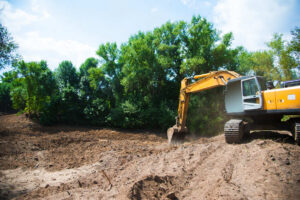
How Much Does Land Clearing Cost Per Acre in Montana?
The average cost of land clearing in Montana depends primarily on how densely wooded the property is and how much work is required to make it usable.
Light clearing generally costs less because crews can remove smaller vegetation using relatively straightforward equipment. Heavily wooded properties require more labor, larger machinery, and additional time to remove trees, roots, and debris.
The following estimates provide a starting point for budgeting. They are broad planning ranges, not verified local contractor quotes.For comparison, Angi’s national data lists land clearing at $1,397 to $6,174 per acre.
| Land Clearing Type | Estimated Cost Per Acre |
| Light brush and small vegetation | 500–1,500 |
| Moderate brush and scattered trees | 1,500–3,000 |
| Heavily wooded land | 3,000–6,000 |
| Dense forest with large trees | 6,000–10,000+ |
| Forestry mulching | 800–2,500 |
These ranges represent general estimates rather than fixed Montana prices. Actual contractor quotes can differ significantly based on site conditions, project scope, and local equipment availability.
For example, clearing one acre of relatively flat land containing brush and small trees will usually cost considerably less than clearing an acre with mature conifers, large stumps, and rocky ground.
Property owners should also distinguish between basic vegetation clearing and complete site preparation. A contractor may quote separately for stump grinding, root removal, grading, hauling, and disposal.
Getting a detailed estimate helps establish exactly what is included before work begins.
What Factors Affect Land Clearing Costs in Montana?
Tree density, terrain, equipment access, and debris disposal are the biggest factors influencing land clearing costs in Montana. Two properties with the same acreage can require completely different budgets because the amount of work involved is rarely identical.
Montana’s landscape presents several challenges, particularly around Kalispell, Whitefish, Columbia Falls, and surrounding parts of Flathead County. Forested slopes, rocky soil, mature trees, and seasonal weather conditions can all influence how efficiently crews complete a project.
Tree Size and Vegetation Density
Properties covered primarily with grass, shrubs, and small saplings are generally easier to clear than mature forests. Smaller vegetation can often be handled using brush cutters or forestry mulching equipment without extensive excavation.
Large trees require more planning, particularly when they stand near buildings, utility lines, or other trees that must remain. Removing mature conifers also creates substantial amounts of wood and branches that need processing or disposal.
A property containing several large trees may cost more to clear than a larger parcel covered in light brush. This is why acreage alone cannot determine the final price.
Terrain and Property Accessibility
Steep slopes, uneven ground, and rocky surfaces make clearing more complicated. Equipment operators must work carefully to maintain stability, avoid damage, and reach vegetation safely.
Accessibility also matters. Properties with established driveways and adequate equipment access are generally easier to clear than remote parcels requiring additional preparation.
In mountainous parts of Montana, contractors may need specialized machinery or additional labor. These requirements increase operating time and affect the total project cost.
Stump Removal and Root Systems
Cutting down trees does not automatically remove their stumps. Depending on the intended use of the land, property owners may need stump grinding or complete stump excavation.
Stump grinding reduces the visible stump below ground level but generally leaves much of the root system in place. Complete removal requires additional excavation and may disturb a larger area.
For a future building foundation or driveway, leaving major roots and stumps in place may not be appropriate. The construction requirements should determine how thoroughly the site must be cleared.
Debris Removal and Disposal
Clearing vegetation produces branches, logs, brush, and other organic debris. Contractors may mulch this material, stack it, transport it off-site, or arrange another approved disposal method.
Hauling adds labor, transportation, and potential disposal fees. Properties located far from suitable disposal facilities may face higher costs.
Montana also regulates certain timber-harvesting activities and the management of logging slash. The Montana Department of Natural Resources and Conservation explains when forest-practice notifications and hazard-reduction requirements apply.
Different Land Clearing Methods and Their Costs
Choosing the appropriate clearing method can reduce unnecessary expenses while preserving the features that make a Montana property valuable.
Not every project requires complete vegetation removal. Some property owners need a clean construction site, while others simply want to thin overgrown woodland or create defensible space around their homes.
Understanding the available methods helps you avoid paying for work that does not support your intended use.
Forestry Mulching
Forestry mulching uses specialized equipment to cut and shred brush, saplings, and suitable smaller trees. The processed vegetation is typically left on the ground as a layer of mulch.
This approach can reduce hauling requirements and minimize soil disturbance compared with methods that uproot vegetation. It is particularly useful for clearing trails, managing overgrowth, and improving access through wooded property.
However, forestry mulching does not automatically produce a construction-ready surface. Large stumps, rocks, and roots may still require additional work.
Traditional Land Clearing
Traditional clearing involves cutting or removing vegetation using chainsaws, excavators, bulldozers, and other equipment suited to the site.
This method is often necessary when preparing land for foundations, roads, or major construction projects. It allows crews to remove substantial vegetation and address obstacles that forestry mulching cannot eliminate.
The trade-off is greater ground disturbance and potentially higher debris-handling costs. If the project involves extensive excavation, additional erosion-control measures may also be needed.
Selective Tree Clearing
Selective clearing focuses on removing specific trees while preserving desirable vegetation. It is useful for improving sunlight, creating access, removing hazardous trees, or reducing overcrowding.
Selective clearing often involves more careful planning than simply removing everything within a defined area. However, it can preserve shade, privacy, natural appearance, and existing vegetation that would be expensive or impossible to replace.
What Additional Expenses Should You Budget For?
The quoted cost of removing vegetation does not always include everything required to prepare land for construction or long-term use.
Unexpected expenses commonly arise when property owners assume that clearing, stump removal, grading, and debris disposal are included in one service.
Before accepting an estimate, clarify whether the contractor is providing basic vegetation removal or complete site preparation.
Additional expenses worth discussing include:
- Stump grinding or excavation: Removing remaining stumps and root systems where required.
- Land grading: Leveling or reshaping the cleared surface for drainage and construction.
- Debris hauling: Transporting logs, branches, and other material off the property.
- Equipment mobilization: Delivering machinery to remote or difficult-to-access locations.
- Permits and inspections: Meeting applicable requirements for timber operations, waterways, and burning.
- Erosion control: Protecting exposed soil, especially on slopes and near drainage areas.
These costs should be evaluated according to the project’s intended purpose. A recreational trail through woodland requires different preparation from a residential building pad.
Montana Land Clearing Permits and Regulations
Permit requirements depend on where the property is located and what activities are planned. Routine vegetation management does not necessarily trigger the same requirements as commercial timber harvesting, stream crossings, or extensive earthwork.
Montana’s Streamside Management Zone rules restrict certain forest practices near streams, lakes, and other water bodies. Property owners planning work near waterways should review the DNRC stream permitting guidance before clearing begins.
Burning branches and other debris also requires careful planning. The Montana Department of Environmental Quality provides information on open-burning requirements, while state law establishes permit requirements for certain burning activities.
Confirming these requirements early can prevent project delays and additional expenses.
How to Reduce Land Clearing Costs Without Compromising Quality
The most effective way to save money on land clearing is to define the project carefully, choose an appropriate clearing method, and avoid unnecessary vegetation removal.
Some property owners assume that clearing everything at once is the most economical approach. However, removing trees that could safely remain may increase costs without improving the property’s usefulness.
A better approach begins with identifying the areas that genuinely need work.
Clear Only the Areas You Need
If you are preparing land for a house, identify the proposed building footprint, driveway, utility routes, and necessary working areas before clearing begins.
You may not need to remove vegetation from the entire parcel. Preserving suitable trees outside the construction zone can reduce clearing expenses while maintaining privacy and natural character.
Selective clearing is particularly useful on larger wooded properties where only a portion of the land will be developed.
Compare Detailed Contractor Estimates
Obtaining multiple estimates helps property owners understand the likely cost of their project. However, the lowest quote is not automatically the best choice.
Compare the services included in each proposal, particularly stump removal, debris disposal, equipment transportation, and site cleanup.
Ask contractors to explain how they will protect trees that are supposed to remain. A detailed written scope reduces misunderstandings and makes it easier to compare prices fairly.
Schedule the Work Around Site Conditions
Montana’s seasonal conditions can influence land clearing schedules. Snow, saturated soil, and difficult access may restrict equipment movement or require different operating methods.
Frozen ground sometimes provides advantages for certain forestry operations, but snow depth, weather conditions, and site accessibility can create additional challenges.
Discuss scheduling with the contractor rather than assuming one season is always cheaper. Planning ahead gives you more flexibility when choosing suitable working conditions.
How to Choose the Right Land Clearing Contractor in Montana
A qualified land clearing contractor should evaluate your property in person, explain the proposed clearing method, and provide a clear estimate based on actual site conditions. Experience matters because Montana properties frequently combine large trees, uneven terrain, restricted access, and sensitive surrounding vegetation.
A contractor should understand how to work safely around existing structures, preserve designated trees, and manage debris appropriately. Before hiring, ask about relevant experience, insurance coverage, equipment capabilities, and whether additional services such as stump grinding or hauling are included.
It is also worth discussing what the finished property will look like. Some clearing methods leave mulch and stumps behind, while others produce a more open surface suitable for further development. The right contractor should help you understand the difference between removing unwanted vegetation and preparing a site for its intended future use.
Conclusion
Land clearing costs in Montana depend on the amount of vegetation, tree size, terrain, accessibility, and the level of site preparation required. Light clearing is generally more affordable, while dense woodland and challenging terrain increase equipment, labor, and disposal expenses.
Understanding how much land clearing costs allows property owners to compare methods, anticipate additional charges, and make informed decisions before starting work.
Whether you are preparing a homesite, opening a driveway, or managing overgrown property, begin with a clear project scope and a site-specific estimate. Careful planning helps control expenses while protecting the long-term value and usability of your Montana land.
Related Posts

What Is Tree Topping?
Tree topping is the practice of cutting off the upper [...]

What to Do If a Tree Falls on Your House
If a tree falls on your house, prioritize everyone’s safety, [...]
Cheapest Time of Year to Have a Tree Cut Down
Tree removal costs vary significantly based on when the work [...]
When Is the Best Time to Trim Trees in Montana?
Montana's climate presents unique challenges for tree pruning, with cold [...]
Categories