
Tree removal costs vary significantly based on when the work gets scheduled. The same tree that costs $1,500 in June might cost $1,200 or less in February.
Late winter through early spring offers the lowest prices in most regions, typically February and March. This window falls between the holiday slowdown and the spring storm rush, when tree service companies have open schedules and lower operating demand.
Seasonal pricing patterns help property owners plan the work on their terms rather than paying premium rates during peak demand. The sections below cover the cheapest months, the reasons behind the savings, and the situations where timing does not affect the price.
The Cheapest Months for Tree Removal
Seasonal demand drives tree removal pricing more than any other factor. The months with the least demand consistently offer the lowest rates across most regions.
| Month | Demand Level | Average Cost Range |
| January | Low | $700 to $1,200 |
| February | Lowest | $650 to $1,100 |
| March | Low | $700 to $1,200 |
| April | Rising | $900 to $1,500 |
| May | High | $1,000 to $1,700 |
| June | Peak | $1,100 to $1,900 |
| July | Peak | $1,100 to $1,900 |
| August | High | $1,000 to $1,700 |
| September | Moderate | $900 to $1,500 |
| October | Moderate | $850 to $1,400 |
| November | Low | $750 to $1,250 |
| December | Low | $700 to $1,200 |
The specific window varies by climate, but a clear pattern emerges across the industry. Winter and early spring deliver the best combination of low prices and favorable working conditions.
February and March
February and March consistently emerge as the most affordable months for tree removal. Winter pricing can save property owners around 20 percent compared to peak season rates. The savings come from lower demand rather than reduced quality of work.
Crews finish their holiday slowdown and face a gap before spring storm season begins. This gap forces companies to compete for available jobs and offer competitive quotes.
Late Fall and Early Winter
Late fall and early winter offer another affordable window. Many arborists recommend scheduling between November and January when demand is lowest and crews have more availability.
The exact cheapest months depend on local climate, but the pattern holds across most regions. Cold weather slows outdoor work without stopping it entirely, which keeps prices down.
Regional Variations
Property owners in mild climates notice smaller price differences between seasons. In areas with year-round warm weather, tree services stay busier and the off-season discount shrinks.
Colder regions see sharper savings because winter genuinely slows outdoor work. Areas with distinct storm seasons experience the widest price swings between peak and off-season months.
Why Winter Costs Less
Winter pricing reflects the basic economics of supply and demand. Tree service companies face fewer jobs during these months and adjust their rates to keep crews working.
The physical conditions of winter also make the job faster and safer. These factors combine to reduce labor time and equipment costs.
Lower Demand for Tree Services
Spring and summer keep arborists busy with storm damage, landscaping projects, and emergency calls. The demand surge starts when temperatures rise and trees come out of dormancy.
Winter brings a lull that forces companies to compete for available jobs. This competition drives prices down without reducing the quality of work.
Easier Tree Removal Conditions
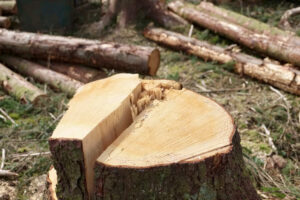
Dormant trees have no leaves, which reduces weight and gives crews a clearer view of the tree’s structure. Frozen or firm ground protects the lawn and landscaping from heavy equipment damage.
These conditions make the job faster and reduce the risk of property damage claims. Less time on site translates to lower labor costs passed on to the customer.
Scheduling Flexibility
Companies operating below capacity are more willing to negotiate on price. A crew that would charge premium rates during a six-week backlog in April may offer a discount in February to fill an empty slot.
Faster service and more attention to detail often come with the open schedule. The same crew that rushes through peak-season work has time to do the job right in winter.
When Seasonal Savings Do Not Apply
Seasonal pricing only matters when the work can wait. Some situations force immediate removal regardless of the month or the cost.
These exceptions override the off-season discount and carry their own pricing structure.
Emergency Removals
A tree that falls on a house or blocks a driveway cannot wait for the off-season. Emergency tree removal carries premium rates regardless of the month.
| Removal Type | Scheduling Window | Cost Range | Seasonal Discount |
| Planned removal | Flexible | $650 to $2,000 | Yes |
| Hazardous tree | Within weeks | $1,000 to $3,000 | Limited |
| Storm damage | Immediate | $1,500 to $4,000 | No |
| Emergency call | Same day | $2,000 to $5,000 plus | No |
The cost reflects immediate response, after-hours labor, and working around other scheduled jobs. These calls often involve additional equipment and coordination with utility companies or insurance adjusters.
Hazardous Trees That Cannot Wait
A tree with visible structural damage, a significant lean, or signs of imminent failure does not become safer while waiting for February. The tree continues to decline, and what might have been a manageable removal in winter can become a dangerous emergency by spring.
Safety concerns override pricing considerations in every case. The cost of removing a hazardous tree now is almost always less than the cost of repairing damage after it falls.
Specific Species Restrictions
Some trees have seasonal restrictions for removal. Oak trees, for example, are often subject to removal bans between April and July in certain regions to prevent the spread of oak wilt disease.
| Species | Restricted Months | Reason | Notes |
| Oak | April to July | Oak wilt prevention | Varies by state |
| Elm | April to August | Dutch elm disease | Check local rules |
| Palm | Year-round allowed | No restriction | Best in cooler months |
| Pine | Year-round allowed | No restriction | Beetle risk in summer |
These restrictions may push removal into specific months regardless of pricing. Check local regulations before scheduling work on protected or disease-sensitive species.
How to Get the Best Price
Off-season timing lowers the baseline cost, but the final price still depends on how the job gets quoted. A few practical steps reduce the total further without cutting corners on safety.
Each strategy below works alongside the seasonal discount rather than replacing it. Combining two or three produces the largest savings.
Get Multiple Quotes
Requesting several quotes remains the most reliable way to find competitive pricing. Prices for the same job can vary by thousands of dollars depending on the company.
Off-season timing gives more leverage to negotiate because companies are eager for work. Three written quotes provide a clear picture of the fair market rate.
Bundle Multiple Trees
Removing two or three trees in a single visit costs significantly less per tree than scheduling separate appointments. The crew mobilizes once, and the economies of scale work in the customer’s favor.
Dead trees and hazardous trees can be included in the same visit at a reduced rate. A single setup with equipment already on site saves hours of labor.
Be Flexible on Scheduling
Weekday availability often costs less than weekend work. A crew that can fit a job into an existing route nearby may offer a better rate.
Flexibility on the exact date gives the company room to pass savings along. A job that can wait two weeks costs less than one that needs a specific day.
Watch for Low Bids That Cut Corners
The cheapest quote is not always the best value. Extremely low bids may indicate subpar service, lack of insurance, or inexperienced crews.
Verify that any company carries proper licensing and liability coverage before work begins. A certificate of insurance should be requested and confirmed with the provider.
What Determines Tree Removal Cost Regardless of Season
Seasonal timing lowers the baseline, but the job itself sets the price range. Two trees of similar height can cost very different amounts based on access, condition, and location.
These factors apply in every month of the year.
Tree Size and Height
The size of the tree remains the most important cost factor. Trees over 80 feet often require a crane, which adds at least $500 to the total.
| Tree Height | Average Cost Range | Crane Required | Typical Time on Site |
| Under 30 feet | $300 and $700 | No | 1 to 3 hours |
| 30 to 60 feet | $7000 to $1,200 | Sometimes | 3 to 6 hours |
| 60 to 80 feet | $1,200 to $2,000 | Often | 5 to 8 hours |
| Over 80 feet | $2,000 to $3,500 plus | Yes | Full day or more |
Small trees under 30 feet cost between $300 and $700 on average. Trees over 80 feet can cost $2,000 to $3,000 or more.
Proximity to Structures
A tree close to a house, power lines, or other structures costs more to remove because of the precision required. The average lot size in urban areas is small, which drives labor costs higher.
Manual removal and rigging take more time than open-area felling. A tree in an open field costs far less than one leaning over a garage.
Tree Condition and Species
Diseased or damaged trees can cost more because weak structures are unpredictable. Hardwoods like oak and maple require more time and specialized rigging than softwoods.
Certain species have removal restrictions that may affect scheduling. These rules exist to protect against disease spread and apply in specific months.
Stump Removal and Cleanup
Stump grinding adds several hundred dollars to the total project cost. Debris hauling and cleanup are often included in the base price.
Confirming what the quote covers before work begins prevents surprise charges. Some companies charge separately for stump removal and wood disposal.
Conclusion
Late winter and early spring offer the lowest tree removal prices because demand drops and working conditions improve. February and March stand out as the cheapest months in most regions, with potential savings of 20 percent or more compared to peak season rates.
Emergency removals and hazardous trees do not qualify for seasonal discounts because safety overrides cost savings. Planned removals of healthy trees can wait for the off-season window and benefit from lower rates and faster scheduling.
The best approach combines off-season timing with multiple quotes, bundled work, and flexible scheduling. These strategies reduce the total cost while ensuring the job is done safely and correctly.
Related Posts
What Is Tree Topping?
Tree topping is the practice of cutting off the upper [...]
What to Do If a Tree Falls on Your House
If a tree falls on your house, prioritize everyone’s safety, [...]

How Much Does Land Clearing Cost in Montana?
Land clearing in Montana typically costs between $500 and $5,000 [...]
When Is the Best Time to Trim Trees in Montana?
Montana's climate presents unique challenges for tree pruning, with cold [...]
Categories