
If you are wondering how much does tree removal cost in Montana, expect the price to range from roughly $300 for a small, straightforward tree to $3,000 or more for a large, hazardous, or difficult removal. Tree size is a major factor, but it is not the only detail that determines what you will actually pay.
The condition of the tree, trunk diameter, accessibility, surrounding buildings, terrain, and equipment requirements can all change the final price. Stump grinding and debris removal may also be charged separately.
Understanding these factors helps you evaluate an estimate instead of focusing on one average price. A tree that looks easy to remove from the ground can require considerably more work once its location, weight, condition, and surrounding hazards are considered.
How Much Does Tree Removal Cost?
Tree removal costs vary considerably from one property to another. Small trees in open areas generally cost less, while mature trees near houses, utility lines, fences, or other obstacles require more controlled work.
The cost of tree removal generally increases with tree size, complexity, risk, labor requirements, and the equipment needed to complete the work safely.
The following ranges provide a practical starting point for budgeting. Actual estimates can fall above or below them depending on site conditions.
Small Trees
Trees under approximately 30 feet are usually the least expensive to remove. A relatively simple removal may cost around $300 to $700 when the tree is accessible and crews have sufficient space to work.
Small size does not guarantee a low price. A 25-foot tree leaning over a garage can require more careful rigging than a taller tree standing in an open field.
Medium Trees
Trees between approximately 30 and 60 feet often cost around $600 to $1,200 to remove. At this size, the amount of wood, number of branches, and working height become more significant.
Crews may need climbing equipment or an aerial lift to reach the upper canopy. Large branches may also need to be lowered individually instead of being dropped directly to the ground.
Large Trees
Large trees between approximately 60 and 80 feet can cost around $1,000 to $2,000 or more. Mature trees contain significantly more material, and their trunk sections can weigh hundreds of pounds.
Removing these trees near structures requires careful planning. Ropes, rigging equipment, aerial lifts, and additional workers can all increase the cost.
Very Large Trees
Trees exceeding 80 feet can cost $1,500 to $3,000 or more depending on their diameter and location. Particularly difficult trees can exceed these general ranges.
A crane may be needed when large sections cannot safely be lowered through the surrounding space. Equipment requirements, site access, and disposal of heavy logs can substantially increase the final bill.
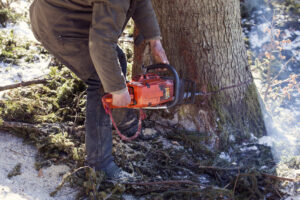
Average Tree Removal Cost by Tree Size
Tree height provides one of the easiest ways to estimate potential removal costs. It affects how high crews must work and generally corresponds with the amount of material that must be cut and handled.
Tree height is a useful pricing indicator, but trunk diameter, condition, accessibility, and surrounding hazards can be equally important.
| Tree Size | Approximate Height | General Cost Range | Typical Complexity |
| Small | Under 30 ft. | $300–$700 | Lower |
| Medium | 30–60 ft. | $600–$1,200 | Moderate |
| Large | 60–80 ft. | $1,000–$2,000 | Higher |
| Very Large | Over 80 ft. | $1,500–$3,000+ | High |
These figures are budgeting ranges rather than guaranteed prices. Contractors typically need to inspect the tree and property before determining an accurate cost.
A large tree in an open field can sometimes be easier to remove than a medium tree surrounded by expensive landscaping and structures. The complete working environment therefore matters as much as basic measurements.
Factors That Affect Tree Removal Cost in Montana
Two trees of identical height can produce very different estimates. Professional tree removal involves evaluating how the tree can be dismantled, where sections can fall, and how workers and equipment can reach it.
Tree condition, diameter, species, location, access, terrain, and nearby obstacles determine how difficult and time-consuming the removal becomes.
Each factor can affect the amount of labor or equipment required.
1 Tree Height
Taller trees generally take longer to remove because crews have more branches and trunk material to handle. Working at greater heights can also require climbing or aerial equipment.
The upper canopy may need to be removed in sections before the main trunk can be dismantled. This controlled process takes longer than felling an entire tree into a large open area.
2 Trunk Diameter
Height does not tell the whole story. A shorter tree with an unusually wide trunk can contain more heavy wood than a taller, slender tree.
Large-diameter trunks require additional cutting and produce heavier sections that are more difficult to move.
Heavy logs may require machinery for loading and transportation. Large stumps can also increase stump-grinding costs after the tree has been removed.
3 Tree Condition
A healthy tree and a severely decayed tree create different working conditions. Dead or damaged branches can break unexpectedly, while internal decay can weaken the trunk.
A compromised tree may not safely support a climber. Crews may instead need an aerial lift, crane, or other equipment that allows them to work without relying on unstable wood.
4 Location
Trees located near houses, garages, fences, driveways, or other structures generally require more controlled removal. Crews cannot simply allow branches to fall wherever gravity takes them.
Branches may need to be attached to ropes and lowered into designated areas. The trunk can then be dismantled in manageable sections.
5 Property Access
Equipment access can have a major effect on cost. A large backyard tree may be difficult to reach when the only entrance is a narrow gate.
Steep slopes, retaining walls, septic systems, landscaping, and soft ground can also limit equipment movement. More work must then be completed manually.
Why Some Montana Tree Removals Cost More
Montana properties range from urban lots to large rural and mountainous sites. These different environments influence how tree crews reach, dismantle, and remove trees.
Difficult terrain, severe weather damage, limited equipment access, and hazardous tree positions can increase the cost beyond normal removal ranges.
A rural property is not automatically more expensive. Large open spaces can make removal easier because crews have more room for equipment and controlled felling.
Storm Damage
Wind, snow, and severe weather can leave trees partially uprooted, split, leaning, or loaded with broken branches. These conditions create unpredictable forces within the tree.
Broken limbs may remain suspended above the ground. Split trunks can shift when individual sections are removed, requiring careful planning before cutting begins.
Emergency work can also cost more when immediate removal is necessary. After widespread storms, high demand for tree crews can further affect availability.
Trees Near Homes
A mature tree beside a house normally needs to be dismantled rather than felled in one piece. Large limbs must be controlled to prevent damage to roofing, siding, windows, and landscaping.
Rigging increases labor but provides greater control. In especially confined areas, a crane may be used to lift sections away from the property.
Trees Near Utility Lines
Trees growing near overhead electrical lines require additional precautions. Branches contacting or approaching energized lines can create serious hazards for homeowners and tree workers.
Homeowners should not attempt to reduce costs by cutting these branches themselves. Appropriate utility coordination or qualified professionals may be required depending on the situation.
Difficult Terrain
Steep, rocky, muddy, or heavily landscaped ground can restrict machinery. Montana properties with slopes or remote access may therefore require different removal techniques from level residential yards.
Crews must also consider how logs and debris will be transported from the cutting area to trucks or chippers.
Additional Tree Removal Costs
Removing the trunk and branches is not necessarily the end of the project. Homeowners should check what happens to the stump, logs, branches, and wood chips after cutting is complete.
Stump grinding, debris hauling, log processing, and specialized equipment are common services that can increase the total tree removal cost.
Clarifying these services before approving an estimate makes comparing contractors much easier.
Stump Grinding
Standard tree removal often leaves a short stump behind. Grinding is usually a separate process performed with specialized machinery.
The price depends on stump diameter, root structure, location, and accessibility. Larger stumps require more machine time.
Debris Removal
A mature tree can create a large amount of debris. Branches may be chipped while logs are cut into sections for removal.
Some contractors include complete hauling in the initial quote. Others charge separately depending on how much material must leave the property.
Firewood Cutting
Keeping logs can sometimes reduce hauling, but homeowners should clarify how the wood will be left. Cutting a large trunk into firewood-sized pieces requires additional chainsaw work.
Splitting and stacking the wood may not be included. Ask exactly what “leave the wood” means before choosing this option.
Crane and Aerial Lift Use
Specialized machinery can increase project costs, but it can also make complicated removals safer and more efficient.
Cranes can lift large sections over buildings or other obstacles. Aerial lifts allow workers to reach parts of a tree that may be unsafe to climb.
Emergency Removal
A tree that has fallen across a driveway or threatens a building can require immediate attention. Emergency response often costs more than work scheduled during normal operating hours.
If the tree does not create an immediate hazard, obtaining several estimates can provide a clearer picture of reasonable pricing.
Signs a Tree May Need Removal
Not every unhealthy-looking tree needs to come down. Pruning, cabling, monitoring, or other professional tree-care measures may sometimes preserve it.
Removal becomes more likely when structural defects, extensive decline, or an unacceptable risk of failure cannot reasonably be corrected.
Homeowners should watch for visible changes that justify professional assessment.
Major Dead Branches
Large dead branches can break without warning, particularly during storms. Deadwood above houses, driveways, walkways, or other occupied areas deserves attention.
Removing individual branches may solve the problem when the rest of the tree remains healthy.
Significant Trunk Decay
Cavities, fungal growth, and decayed areas can indicate deterioration inside the trunk. The seriousness depends on the amount and location of sound wood remaining.
Visible decay does not automatically require removal, but substantial structural deterioration should be evaluated.
Cracks and Splits
Large cracks between trunks or major branches can indicate structural weakness. Multi-stemmed trees can be particularly vulnerable where stems separate under heavy loads.
A professional can assess whether pruning, support systems, monitoring, or removal is appropriate.
Increasing Lean
Some trees naturally grow at an angle and remain stable for decades. A newly developing or rapidly increasing lean is more concerning.
Soil lifting around the root zone can indicate root movement and should receive prompt attention.
Extensive Canopy Decline
Widespread branch death or failure to produce normal foliage can indicate serious decline. The underlying cause could involve roots, disease, drought, insects, or other stress.
Identifying that cause helps determine whether the tree can recover.
How to Get a Reliable Tree Removal Estimate
Online averages help with budgeting, but they cannot account for the exact conditions around a tree. An on-site assessment allows the contractor to examine access, hazards, size, condition, and cleanup requirements.
A useful tree removal estimate should explain what work is included rather than providing only a single final number.
Ask whether the quote includes:
- Cutting and dismantling the complete tree
- Chipping branches
- Removing or leaving logs
- Cleaning the work area
- Stump grinding
- Specialized equipment
- Travel or mobilization charges
This information makes estimates easier to compare. A lower quote may exclude stump work and hauling that another contractor includes.
Homeowners should also ask about appropriate insurance and experience, especially for large trees near buildings. Tree removal combines chainsaws, heavy timber, machinery, and work at height, making safety an important part of the decision.
Conclusion
So, how much does tree removal cost in Montana? Most projects can range from roughly $300 for a small, accessible tree to $3,000 or more for very large, hazardous, or technically difficult removals.
Height provides a useful starting point, but diameter, tree condition, access, terrain, surrounding structures, equipment, debris hauling, and stump grinding can all change the final price.
The best approach is to have the tree assessed on-site and request a detailed estimate explaining what the contractor will remove and what will remain afterward.
When a tree is not an immediate hazard, compare the cost of removal with pruning or other management options. When removal is necessary, prioritize a clear work plan, appropriate equipment, and qualified professionals rather than choosing on price alone.
Related Posts
What Is Tree Topping?
Tree topping is the practice of cutting off the upper [...]
What to Do If a Tree Falls on Your House
If a tree falls on your house, prioritize everyone’s safety, [...]
Cheapest Time of Year to Have a Tree Cut Down
Tree removal costs vary significantly based on when the work [...]
How Much Does Land Clearing Cost in Montana?
Land clearing in Montana typically costs between $500 and $5,000 [...]
Categories