Tree topping is the practice of cutting off the upper portion of a tree or severely shortening its main branches, leaving large, exposed stubs. It is commonly done to reduce tree height, control excessive growth, or prevent branches from interfering with nearby structures and power lines. However, this practice is discouraged because it can damage tree health, weaken its structure, and affect its natural appearance.
This article will cover the reasons for tree topping, its harmful effects, difference between tree topping and pruning, and safer pruning alternatives, including whether a topped tree can recover, and how to choose a professional tree care service.
What Tree Topping Looks Like and What Else It Is Called
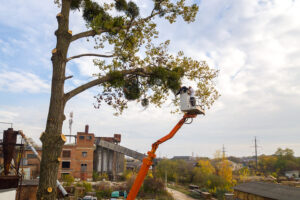
Tree topping refers to the practice of removing the upper portion of a tree or drastically cutting back its main branches, often leaving large, exposed stubs.
Unlike proper pruning, which selectively removes branches to preserve the tree’s natural shape and structure, topping involves cutting branches without following proper pruning techniques or considering their natural growth patterns.
This practice is also commonly referred to as:
- Heading: Cutting branches back without considering their natural growth structure.
- Stubbing: Cutting branches and leaving shortened, exposed sections.
- Hat-racking: Removing a large portion of the tree’s upper canopy, leaving it severely shortened.
- Rounding over: Cutting the tree’s crown into an artificial, rounded shape.
What Happens During Tree Topping?
When a tree undergoes topping, several changes may occur:
- A large portion of its upper canopy and leaves is removed.
- Large, exposed wounds are created where major branches are cut.
- Dormant buds may produce numerous fast-growing shoots.
- Newly developed shoots may have weak branch attachments.
- The tree becomes more susceptible to decay, disease, and branch failure.
Although topping may initially make a tree appear shorter and easier to manage, it can lead to serious structural and health problems as new growth develops.
According to the Nebraska Forest Service, tree topping is a harmful practice that can weaken trees and increase the risk of hazardous branch failure.
Why Is Tree Topping Performed?
Tree topping is commonly performed to control tree growth, reduce excessive height, or address concerns involving nearby structures and surrounding areas. Although property owners may consider it a quick solution, several factors influence why this practice is carried out.
- To Reduce Tree Height: To make excessively tall trees shorter and easier to manage.
- To Prevent Property Damage: To keep branches from interfering with roofs and nearby structures.
- To Clear Electrical Lines: To prevent branches from interfering with overhead power lines, although proper line-clearance pruning is safer. In the Flathead Valley, only qualified line clearance arborists may work within 10 feet of power lines, so call Flathead Electric Cooperative before trimming near them.
- To Reduce Storm-Related Risks: To address concerns about falling branches during strong winds, despite the risks of weak regrowth.
- To Improve Sunlight and Visibility: To reduce dense canopies that block sunlight or obstruct surrounding views.
Although tree topping may seem like a practical way to address these concerns, it can cause significant damage to tree health and structure. Proper pruning techniques are generally better alternatives for maintaining trees while addressing property and safety concerns.
What Are the Harmful Effects of Tree Topping?
Tree topping can have several negative effects on a tree’s health, growth, and structural stability. Removing large portions of the canopy can disrupt essential biological processes, create large wounds, and make the tree more vulnerable to environmental stress and damage.
1. Reduced Food Production
Topping often removes 50 to 100 percent of a tree’s leaf bearing crown, which sharply reduces its ability to perform photosynthesis. This limits the production of food and energy needed for healthy growth and survival.
2. Increased Risk of Disease and Decay
Large cuts create exposed wounds that may become entry points for fungi and decay-causing organisms. Over time, these can contribute to internal wood deterioration and weaken the tree.
3. Weak Branch Regrowth
Topped trees often develop numerous fast-growing shoots called water sprouts. These shoots may have weak attachments, making them more likely to break during strong winds and heavy rainfall.
4. Increased Risk of Sunscald
Removing the canopy exposes previously shaded branches and trunk areas to direct sunlight. Excessive heat can damage the bark and underlying living tissues.
5. Loss of Natural Shape and Appearance
Topping removes the tree’s natural canopy structure, leaving it with an uneven or unnatural appearance. New growth may also develop densely and irregularly.
6. Shortened Tree Lifespan
Repeated topping can weaken a tree through excessive foliage removal, decay, and structural damage. These conditions may contribute to declining health and premature death.
Tree topping can create long-term problems that affect both the health and safety of trees. Instead of improving their condition, this practice may increase maintenance needs and make trees more vulnerable to damage and decline.
What Is the Difference Between Tree Topping and Proper Tree Pruning?
Tree topping and proper tree pruning both involve cutting branches, but they differ in their methods and effects on tree health. Topping removes large portions of the canopy without considering the tree’s natural structure, while proper pruning selectively removes branches to maintain healthy growth, safety, and appearance.
Key Differences Between Tree Topping and Proper Tree Pruning
| Tree Topping | Proper Tree Pruning |
| Removes large portions of the canopy. | Selectively removes specific branches. |
| Leaves large, exposed branch stubs. | Uses appropriate pruning cuts. |
| Damages the tree’s natural shape. | Maintains natural tree structure. |
| Encourages excessive, weak shoot growth. | Promotes balanced growth. |
| Creates large wounds that may lead to decay. | Minimizes unnecessary damage. |
| Can increase the risk of branch failure. | Helps improve structural stability. |
| May shorten the tree’s lifespan. | Supports long-term tree health. |
Unlike tree topping, which can weaken trees and increase structural risks, proper pruning helps preserve their natural shape, stability, and long-term health.
What Are the Better Alternatives to Tree Topping?
Instead of removing large portions of a tree’s canopy, property owners should consider proper pruning techniques that maintain its natural shape, health, and structural stability. These alternatives help manage excessive growth while minimizing unnecessary damage.
1. Crown Reduction
This involves selectively reducing a tree’s height and spread by cutting branches back to suitable lateral branches. It helps control tree size while preserving its natural structure.
2. Crown Thinning
This involves selectively removing certain branches throughout the canopy to improve sunlight penetration and airflow. It also helps reduce overcrowding while maintaining the tree’s natural appearance.
3. Crown Raising
This involves removing selected lower branches to provide adequate clearance beneath the tree. It is commonly performed along roadsides, walkways, driveways, and buildings.
4. Directional Pruning
This involves selectively removing or shortening branches growing toward unwanted areas, such as buildings and structures. It helps guide tree growth while maintaining a balanced canopy.
5. Professional Tree Removal
When a tree is severely damaged, diseased, or structurally unsafe, complete removal may be necessary. A qualified arborist should assess the tree to determine whether removal is the safest option.
Choosing proper pruning techniques instead of tree topping helps preserve tree health, maintain structural integrity, and reduce potential hazards. Consulting a qualified arborist ensures that the most appropriate tree-care method is used.
Can a Topped Tree Grow Back?
Yes, a topped tree can grow back by producing new shoots and leaves from dormant buds. However, regrowth does not guarantee full recovery, as newly developed shoots, known as water sprouts, may have weak attachments and remain vulnerable to breakage, while the tree may still suffer from exposed wounds and internal decay.
Although topped trees can produce new growth, their recovery depends on their species, age, health, and severity of damage. Proper care and professional restoration pruning can help improve their chances of recovery.
How to Care for a Tree After It Has Been Topped
If a tree has already been topped, proper care is essential to minimize further damage and support its recovery. Regular maintenance and professional guidance can help improve the tree’s condition and prevent additional problems.
1. Have the Tree Professionally Inspected
Consult a qualified arborist to assess the tree’s health, structural condition, and potential hazards. This helps determine the appropriate care and restoration needed.
2. Avoid Excessive Pruning
Avoid repeatedly cutting new shoots, as the tree needs sufficient foliage to support photosynthesis and healthy growth. Additional pruning should be carefully planned to prevent further stress.
3. Provide Adequate Water
Water the tree according to its species, soil conditions, and environmental needs, especially during dry periods. Proper watering helps maintain healthy growth and reduces drought stress.
4. Apply Proper Mulching
Use organic mulch around the base to retain soil moisture and regulate soil temperature. Keep mulch away from direct contact with the trunk to prevent moisture-related damage.
5. Monitor New Growth
Regularly inspect the tree for dead branches, cracks, fungal growth, and weak shoots. Early detection helps identify potential problems before they become serious hazards.
6. Follow a Restoration Plan
Work with a qualified arborist to gradually manage excessive shoots and remove damaged branches. This helps encourage balanced growth while preserving healthy foliage.
Caring for a topped tree requires consistent maintenance, proper monitoring, and professional guidance. These practices can help reduce further damage, support recovery, and improve the tree’s long-term health.
How to Choose a Professional Tree Care Service
Choosing a reliable tree care service is essential to ensure that trees are properly maintained without causing unnecessary damage. Before hiring a provider, consider the following factors:
- Check Qualifications and Experience: Choose trained professionals with experience in proper tree care.
- Ask About Pruning Techniques: Ensure they use proper methods, such as crown reduction, thinning, and raising.
- Request a Tree Assessment: Have the provider inspect the tree and recommend suitable care.
- Check Safety Procedures: Ensure workers use proper equipment and follow safety practices.
- Avoid Unnecessary Topping: Be cautious of contractors who recommend excessive canopy removal.
- Request a Maintenance Plan: Choose providers who prioritize long-term tree health and stability.
Hiring a qualified and experienced tree care professional helps ensure that trees receive proper maintenance while minimizing potential risks. Always prioritize providers who understand proper pruning practices and value long-term tree health.
Final Takeaway
Tree topping is an improper maintenance practice that can negatively affect a tree’s health, growth, and structural stability. While it may seem like an effective way to control tree height and address safety concerns, it can lead to weakened branches, decay, and increased vulnerability to damage.
Instead, proper pruning methods such as crown reduction, crown thinning, and crown raising should be considered to maintain healthy growth and preserve the tree’s natural structure. With appropriate care and professional guidance, trees can remain strong, safe, and beneficial to their surroundings.
Related Posts
What to Do If a Tree Falls on Your House
If a tree falls on your house, prioritize everyone’s safety, [...]
Cheapest Time of Year to Have a Tree Cut Down
Tree removal costs vary significantly based on when the work [...]
How Much Does Land Clearing Cost in Montana?
Land clearing in Montana typically costs between $500 and $5,000 [...]
When Is the Best Time to Trim Trees in Montana?
Montana's climate presents unique challenges for tree pruning, with cold [...]
Categories